Hannah Arendt Initiative
We are a network of civil society organizations that, at the initiative and with funding from the German Federal Foreign Office and the German Federal Government Commissioner for Culture and the Media (BKM), protects and supports journalists from Ukraine, Russia, Belarus, Sudan and Central America and other countries who are under threat as they conduct their important work.
Among the Hannah Arendt Initiative projects are training measures, regional scholarship programs and exile journalism centers in countries abroad as well as corresponding measures for journalists living in exile in Germany.
Partners in this protection program include DW Akademie, the European Fund for Journalism in Exile (JX Fund), MiCT – Media in Cooperation and Transition, and the European Centre for Press and Media Freedom (ECPMF).
The program is committed to state neutrality. Funding is based solely on unbiased criteria and independent juries free of state influence.
News from the projects
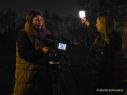
Four years of war: Journalism in a state of emergency
For the last four years, Ukrainian journalists have been working under extreme conditions: these include power outages, extreme cold, dangers of drones, psycho-logical stress and the loss of jobs or loved ones. MiCT is supporting these journalists with a fellowship program and the Kyiv Media Hub.
Journalism in Ukraine: Resilience is “no vague quality”
Marking four years since Russia’s full-scale invasion, ECPMF highlights the resilience of Ukrainian journalists. Despite deadly risks, structural damage and significant personal losses, many continue to report, but not all have been equally resilient.
Learn more about the many challenges and possible perspectives of Ukrainian media workers here.

Media Professionals in the Crosshairs of Power
Amid war, growing repression, and freedom under threat in many parts of the world, the #HannahArendtInitiative strengthens independent voices worldwide. Upon the 50th anniversary of its namesake’s death, the programs provide protection, foster networking, and open new perspectives – whether in home countries or in exile.
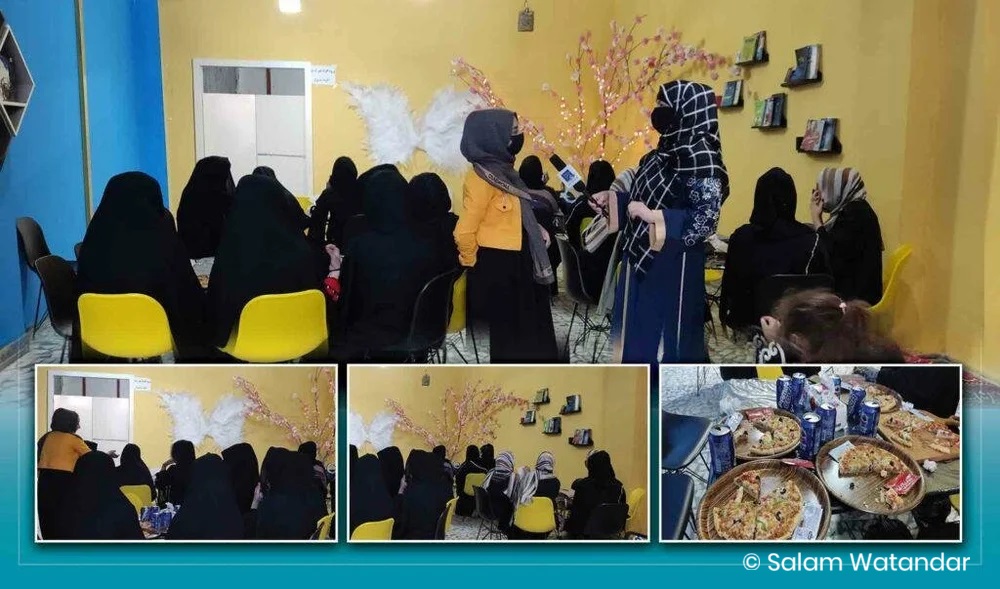
In acts of defiance, Afghan journalists continue reporting
Four years after the Taliban takeover, MiCT continues to support Afghan journalists at home and in exile. It provides fellows with stipends, psychosocial care and more, while amplifying their reporting so Afghanistan’s untold stories continue to reach the world.
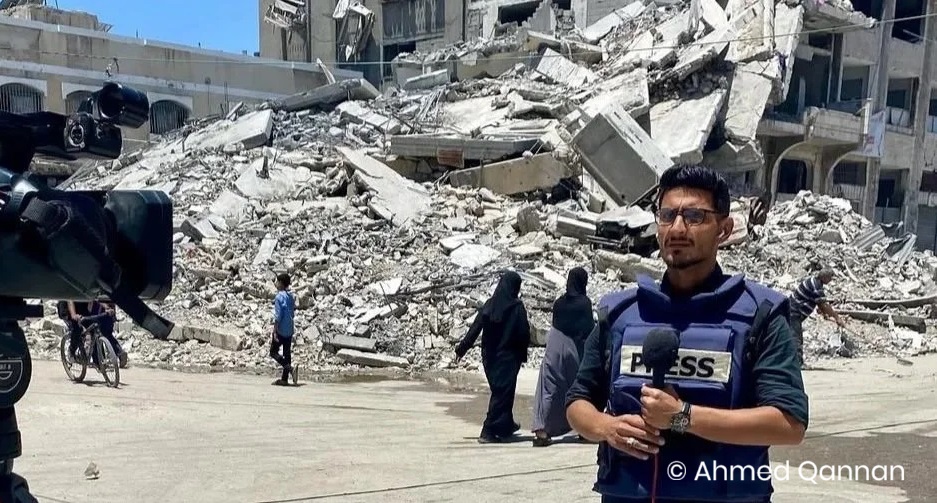
From Gaza: Telling stories the world needs to hear
Despite the extremely dangerous conditions in Gaza, journalists and MiCT Fellows continue to report with courage, many times at great personal cost. They even cover the loss of family, friends and colleagues. Some of their recent work is featured on MiCT’s website.
News from the partners

DW Akademie supports Ukrainian journalists
Four years into the full-scale war, DW Akademie and its partner Suspilne are taking an approach that looks to Ukraine’s future: the public broadcaster is producing content for kids and teens. DW Akademie’s Media and Information Literacy projects help young people counter mis- and disinformation.

“If you don’t support exile media, it will disappear”
Meduza is Russia’s largest independent media outlet, operating from exile since it was founded in 2014.
DW Akademie spoke with editor-in-chief Ivan Kolpakov about the unique challenges of reporting under these conditions.

Why exiled media matter for global journalism
Exiled media expose corruption, counter disinformation and provide rare insights into closed regimes – often when others no longer can. They help strengthen democracies and contribute to international reporting. You can find numerous examples in JX Fund’s latest article.
DW Akademie: Resilience of exile media
Despite political repression, displacement and limited access to their home countries, exile media from Afghanistan and Myanmar continue to have an impact.
DW Akademie explored what they need and what drives their success.
Monitoring Report: Press freedom in Europe 2025
The MFRR Monitoring Report recorded 709 press freedom violations across 36 EU states and candidates in early 2025.
Journalists face rising threats online, at protests and from state actors, with Serbia, Hungary and Georgia among countries of concern.
Projects
DW Akademie: Space for Freedom
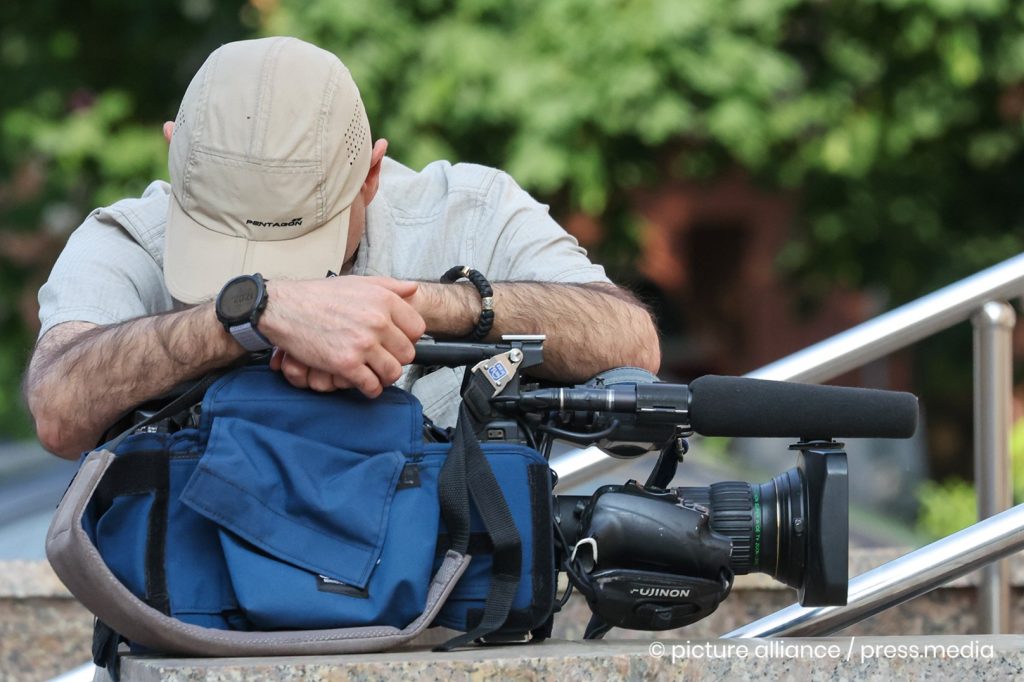
Through the project Space for Freedom, DW Akademie and local partner organizations are helping create new perspectives for journalists and media working in exile.
The project is aimed at exiled journalists originally from Belarus, Russia and Central America. It is also developing structures and creating resources to enable exiled journalists and media outlets to continue to report critically.
More information
Projects
European Centre for Press and Media Freedom: Voices of Ukraine
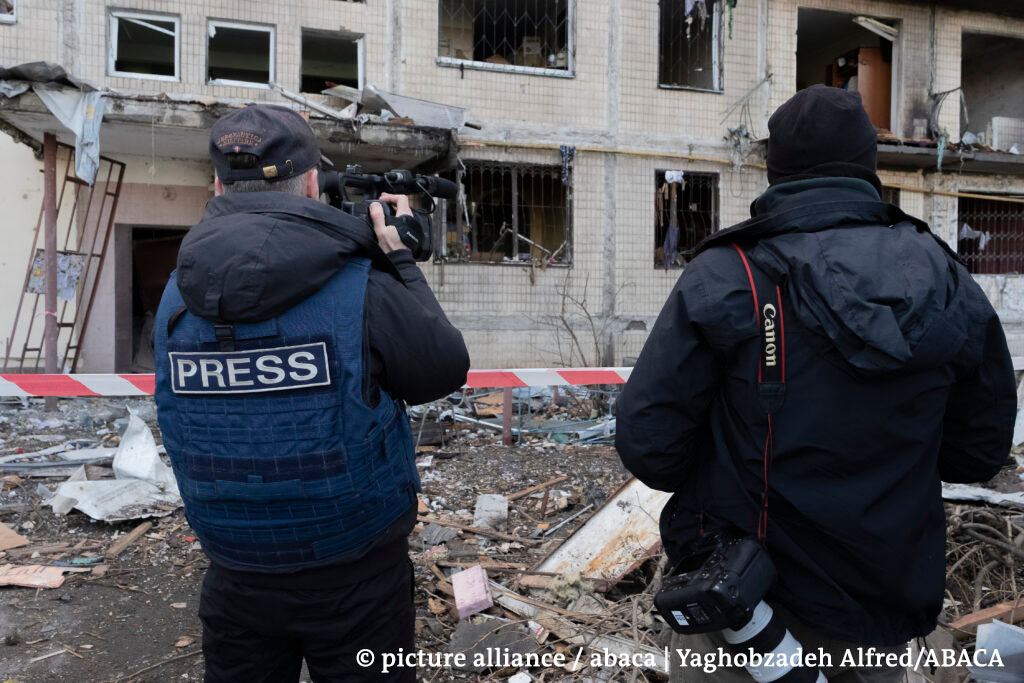
The European Centre for Press and Media Freedom (ECPMF) has been supporting Ukrainian media since the beginning of the full-scale invasion to ensure the continuous work of journalists and contribute to strengthening independent journalism.
The Voices of Ukraine program offers support through emergency grants, technical assistance, insurance for journalists on the front line, training, short-term and long-term residencies, special support for female journalists, and publication support.
More information
Projects
JX Fund: Rebuilding editorial structures in exile
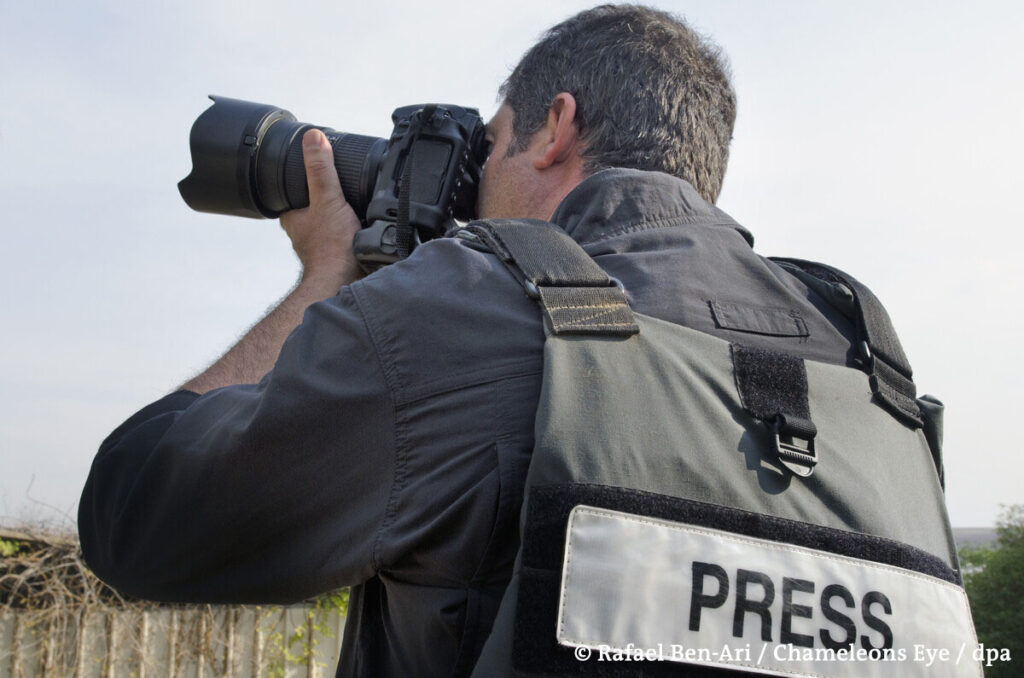
The JX Fund is helping media workers quickly and flexibly to continue their work after they have fled war and crisis zones. It aims to strengthen independent media in exile beyond a current phase of high attention and to support the building of sustainable media outlets accessible for their home countries.
More information
Projects
Media in Cooperation and Transition: Critical Voices Fellowship
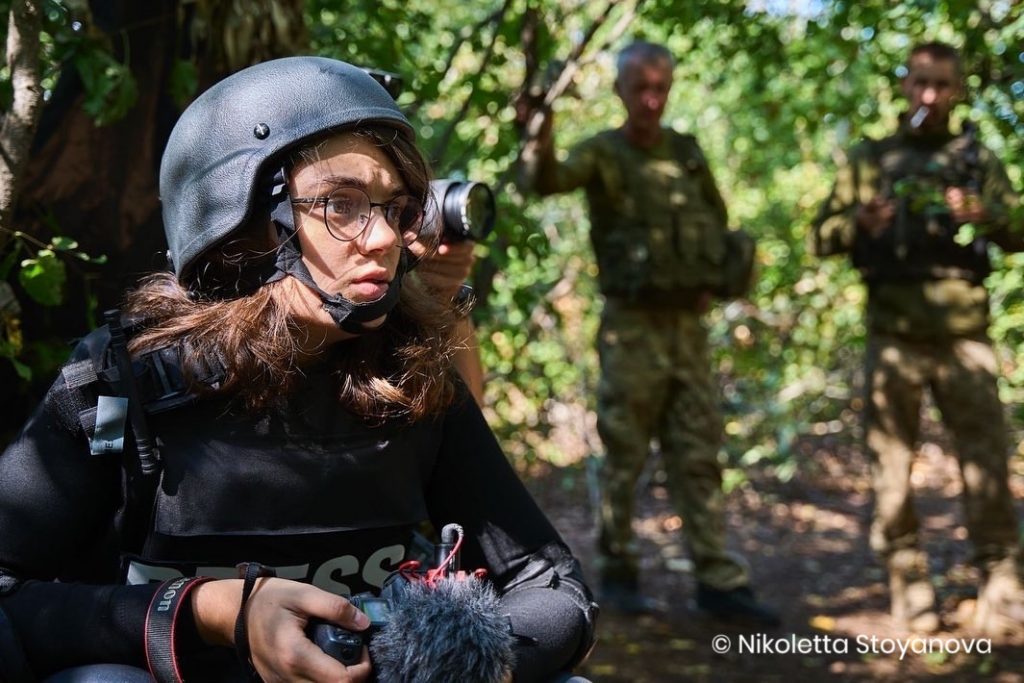
The MICT Fellowship for Critical Voices is aimed at media professionals from war and crisis regions who are acutely threatened by political persecution, censorship or discrimination in their home countries. This year, the initial focus is on supporting media professionals from Afghanistan, Belarus, Russia, Myanmar and Ukraine.
The Fellowship is intended to provide media professionals with quick and uncomplicated support, initially until the end of the year, so that they can safely pursue their valuable work and continue to inform the target groups in their home countries.
More information
Partners

Donors